
OBD Key Programming: What You Need to Know
Car Key Programming Advice
OBD Key Programming: What You Need to Know
A complete guide to OBD key programming, how it works, when it is needed, and why replacement car keys often require specialist equipment.
What It Does
OBD programming allows a compatible replacement key to be added to a vehicle’s security system.
When It’s Needed
Usually needed for spare keys, lost keys, remote keys, smart keys and transponder keys.
Specialist Equipment
Most modern vehicles require professional programming tools and the correct key data.
OBD key programming is one of the most common methods used to program replacement car keys, spare keys, remote keys and smart keys. It allows a compatible key to be added to the vehicle through the car’s diagnostic port, often called the OBD port.
For many modern vehicles, a key is not just a metal blade. It also contains electronic data that must be recognised by the vehicle’s immobiliser system before the car will start. If the key has not been programmed correctly, it may turn in the ignition or unlock the door manually, but the engine may not start.
This guide explains what OBD key programming means, when it may be required, what information is usually needed, and why it is important to use the correct key and programming method.
When Might You Need OBD Key Programming?
- You need a spare car key programmed.
- You have lost your only working key.
- You have bought a replacement remote key.
- Your new key blade has been cut but the car will not start.
- Your vehicle does not recognise the key.
- You need a smart key or proximity key added to the vehicle.
- Your existing remote key has failed and needs replacing.
- You want to remove a lost or stolen key from the vehicle’s system.
What Is OBD Key Programming?
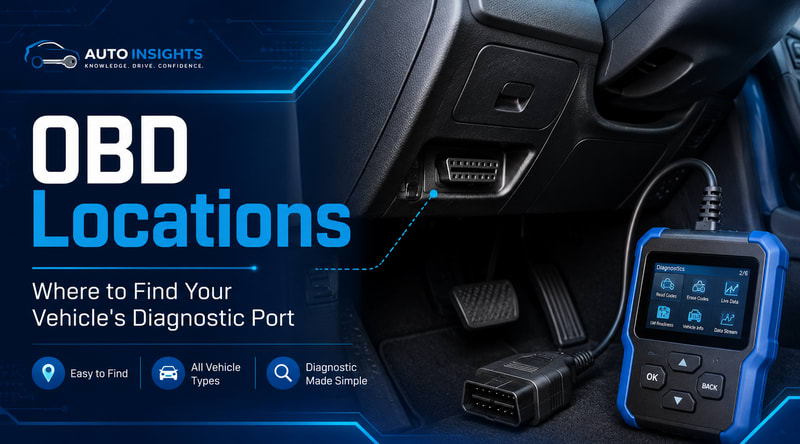
OBD stands for On-Board Diagnostics. Most vehicles have an OBD port that allows diagnostic tools to communicate with the vehicle’s electronic systems. For key programming, specialist equipment may use this port to communicate with the vehicle’s immobiliser or key control system.
The purpose of OBD key programming is to make the vehicle recognise a specific key as authorised. Once programmed correctly, the key should be able to start the vehicle and, depending on the key type, operate the remote locking or smart key functions.
The exact process depends on the vehicle make, model, year, immobiliser system and key type. Some vehicles are straightforward, while others require security access, dealer-level systems, pin codes, pre-coded keys or manufacturer-specific procedures.
Two keys can look identical on the outside but use different electronics inside. The correct key type is essential before programming can be carried out successfully.
What Types of Keys Can Need OBD Programming?
OBD key programming can be used on many different types of vehicle keys, depending on the vehicle system and key design.
Transponder Keys
A transponder key contains a small chip that communicates with the vehicle’s immobiliser. If the chip is not recognised, the engine will usually not start.
Remote Keys
Remote keys normally include buttons for locking and unlocking the vehicle, as well as transponder data for starting the engine. Some remote keys require both immobiliser programming and remote synchronisation.
Smart Keys
Smart keys, also known as proximity keys, allow keyless entry or push-button start on many vehicles. These keys often require more advanced programming than standard remote keys.
Flip Keys
Flip keys have a folding blade and remote casing. The blade must be cut correctly, and the electronic part of the key must be compatible and programmed to the vehicle.
OBD Programming vs Key Cutting
Key cutting and key programming are two different parts of making a working car key. A cut blade may open the door or turn in the ignition, but it may not start the vehicle unless the electronic chip has also been programmed.
Key Cutting
The physical blade is cut to match the locks or ignition. This allows the key to mechanically fit the vehicle.
Key Programming
The electronic chip or smart key data is matched to the vehicle so the immobiliser recognises the key.
For many modern vehicles, both parts are needed. A key that is cut but not programmed may fit the lock but still fail to start the engine.
Can All Cars Be Programmed Through OBD?
Not all vehicles can be programmed through the OBD port in the same way. Some vehicles allow keys to be added through diagnostic equipment, while others may require additional security steps, online access, dealer-level coding, EEPROM work, module access or manufacturer-specific processes.
Vehicle security systems have become more advanced over time. This means newer models can be more restricted, and some manufacturers use additional protection to prevent unauthorised key programming.
This is why it is important to check the vehicle make, model, year and key type before assuming that a key can be programmed by a basic tool.
Cheap online programming tools may not support your vehicle, may not include the correct security access, and may risk causing problems if used incorrectly.
What Information Is Needed Before Programming a Key?
Before a replacement key can be programmed, the correct key type and vehicle details need to be confirmed. Having the right information ready can help avoid delays and incorrect parts.
- Vehicle make, model and year.
- Registration number or VIN.
- A photo of the existing key, if available.
- Whether you still have a working key.
- Whether the key is remote, flip, smart, proximity or standard transponder.
- Whether the key blade also needs cutting.
- Whether all keys are lost or you are adding a spare.
- Any dashboard warnings or immobiliser messages.
If possible, send a clear photo of your current key. This helps identify the blade type, button layout and remote style before ordering or programming.
Adding a Spare Key vs Lost All Keys
Programming a spare key is usually different from dealing with a vehicle where all keys have been lost. If you still have a working key, the process may be simpler because the vehicle can be accessed and tested normally.
If all keys are lost, additional work may be needed. The vehicle may need to be opened, security data may need to be accessed, and proof of ownership may be required before a new key can be made and programmed.
Adding a Spare Key
Usually done when the customer still has at least one working key and wants a backup key for security and convenience.
Lost All Keys
Usually more involved because there may be no working key available to access, start or test the vehicle.
Can a Used Key Be Programmed Through OBD?
Many customers buy used keys online hoping they can be programmed to their car. In some cases this is not possible, and in other cases it may depend on the key type, vehicle system, chip, frequency, condition and whether the key has already been locked to another vehicle.
Even if a used key looks identical, the internal electronics may be wrong. The blade may be different, the remote frequency may not match, or the smart key data may not be suitable for your vehicle.
Before buying a used key, it is always best to check compatibility with a key specialist.
Why OBD Key Programming Can Fail
If key programming fails, it does not always mean the equipment is faulty. There are several reasons why a key may not program successfully.
- The key is not compatible with the vehicle.
- The wrong frequency or chip type has been supplied.
- The key has already been locked to another vehicle.
- The battery voltage in the vehicle is too low.
- The vehicle has an immobiliser, ECU or receiver fault.
- The vehicle requires security access or manufacturer-specific coding.
- The diagnostic port or communication system has a fault.
- The remote part needs separate synchronisation after immobiliser programming.
Repeatedly trying to program the wrong key can waste time and may cause additional issues on some vehicles. Always confirm compatibility first.
OBD Key Programming Checklist
Before arranging key programming, check the following:
Make, model, year, registration or VIN.
Remote, flip, smart, proximity or transponder key.
Do you still have a working key, or are all keys lost?
Does the metal blade also need cutting to the vehicle?
Is OBD Key Programming Safe?
OBD key programming is safe when carried out correctly using suitable equipment and the correct key. The aim is to add an authorised key to the vehicle’s immobiliser system without damaging the vehicle’s electronics.
Problems are more likely when the wrong key is supplied, poor-quality tools are used, battery voltage is low, or the vehicle has an existing fault. This is why professional diagnosis and correct key identification are important.
A reputable key specialist will check the vehicle and key type before programming and test the key afterwards.
Why Use a Specialist for OBD Key Programming?
OBD key programming involves vehicle security systems, immobiliser data and electronic key compatibility. Using a specialist reduces the risk of ordering the wrong key or damaging components during programming.
- Correct key identification before programming.
- Advice on whether the blade also needs cutting.
- Testing of remote locking and start function.
- Support for spare keys and lost key situations.
- Help identifying whether the fault is with the key or the vehicle.
- Reduced risk of wasting money on incompatible online keys.
OBD Key Programming: Final Advice
OBD key programming is a useful and widely used method for adding replacement car keys, spare keys and smart keys to many vehicles. However, the key must be compatible, the blade may need cutting, and the vehicle must support the correct programming method.
If you are buying a replacement key, do not rely on appearance alone. A key that looks the same may still have the wrong chip, frequency, board or blade type.
The safest approach is to confirm compatibility before ordering and use a specialist when programming is required.
Need Help With Key Programming?
If you need advice on OBD key programming, replacement car keys, spare keys, remote keys, smart keys or key cutting, Keystation can help you find the correct solution for your vehicle.
Contact KeystationFAQs About OBD Key Programming
What is OBD key programming?
OBD key programming is a method of adding a key to a vehicle through the diagnostic port so the car recognises it as an authorised key.
Does every car key need programming?
No. Some simple keys only need cutting, but most modern car keys, remote keys, transponder keys and smart keys require programming before they will start the vehicle.
Can I program a car key myself through OBD?
Some vehicles may have limited DIY options, but many modern vehicles require specialist equipment, correct security access and the right key data. Using the wrong tool or key can cause problems.
Can a used key be programmed to my car?
Not always. Many used keys are locked to another vehicle or may have the wrong chip, frequency or internal electronics. Compatibility should always be checked before buying.
Why does my cut key not start the car?
The blade may be cut correctly, but the electronic transponder or smart key data may not be programmed to the vehicle’s immobiliser system.
Is OBD key programming the same as remote synchronisation?
No. Programming usually relates to the immobiliser and starting the vehicle, while remote synchronisation usually relates to the lock and unlock buttons.
What details are needed for key programming?
You will usually need the vehicle make, model, year, registration or VIN, key type, and whether you still have a working key.